by Dr Hugo De Lemos, Wonder & Co
Climate experts and stakeholders met to discuss climate intervention strategies that could help lower global temperatures if climate change reaches dangerous levels. The meeting, “Exploring Climate Intervention Perspectives and Questions for Africa,” sought to strengthen ties between science and policy across the continent while ensuring African perspectives guide discussions on these emerging options.
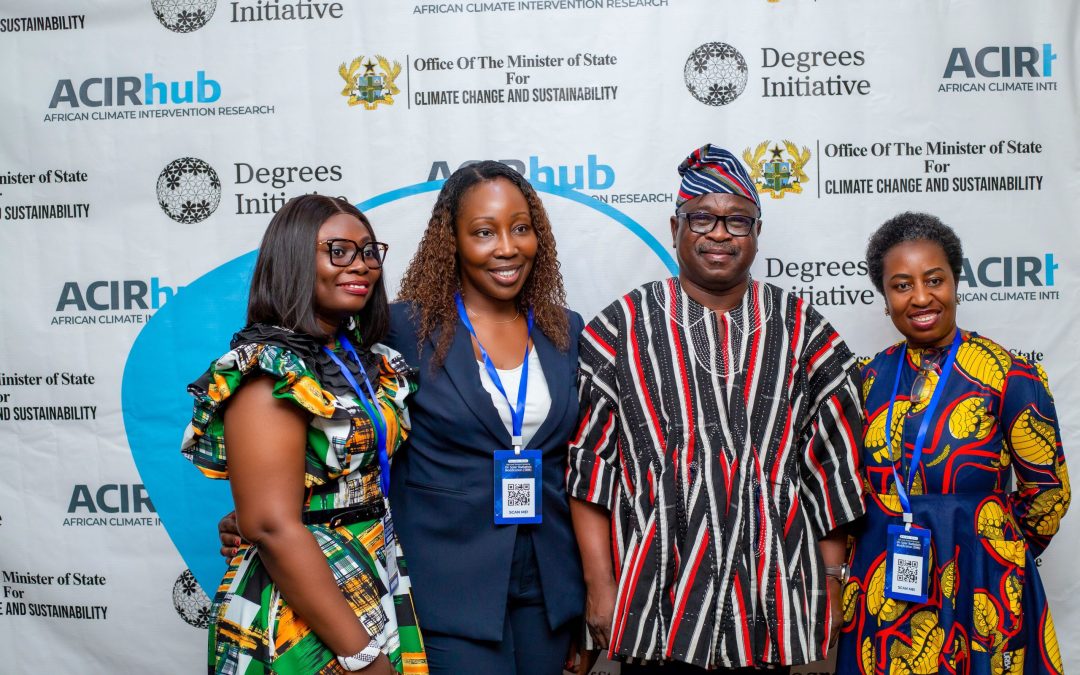
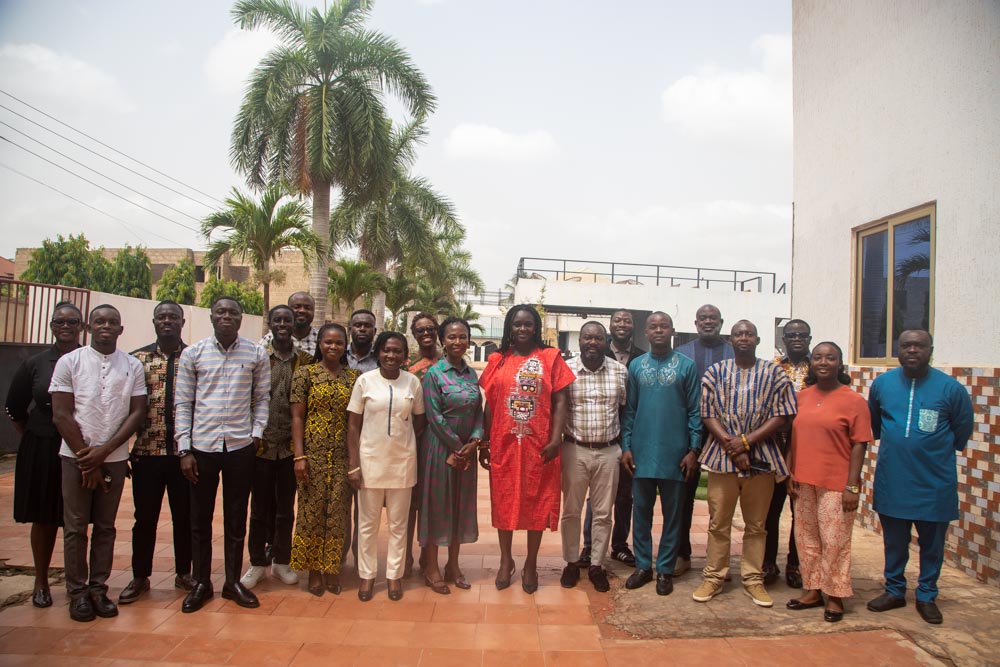
The African Climate Intervention Research Hub (ACIRH) convened the two-day meeting in Accra on February 26 in partnership with Ghana’s Environmental Protection Agency (EPA). Participants agreed that as climate impacts worsen, Africa must be ready to lead discussions on climate intervention strategies on the continent.
What is climate intervention?
Climate intervention, often called climate engineering, uses deliberate technologies to change Earth’s natural systems and counteract human-caused warming that’s already locked into the climate. This includes two main approaches: Solar Radiation Management (SRM), which reflects sunlight away from Earth to cool the planet quickly, and Carbon Dioxide (CO₂) Removal (CDR), which pulls CO₂ out of the atmosphere over time. These methods differ sharply from mitigation, which prevents future warming by cutting greenhouse gas emissions from cars, factories, and power plants. Interventions tackle warming already underway, but neither replaces the urgent need to stop emissions at the source. Both remain experimental, with scientists still studying their safety, side effects, and governance.
Tipping points demand new options
In her opening remarks, Prof. Nana Ama Browne Klutse said that because the climate is already approaching dangerous tipping points, scientists are exploring additional ways to limit warming in case current efforts to cut emissions are not enough. Prof. Klutse traced modern interest in SRM back to a natural experiment: the 1991 Mount Pinatubo eruption in the Philippines. The volcano blasted 20 million tons of sulfur dioxide into the stratosphere, forming reflective particles that blocked sunlight and cooled the planet by about 0.5°C for 18 months. This real-world demonstration showed rapid cooling is physically possible. Scientists are now studying whether a similar effect could be created on purpose, but Prof. Klutse stressed that SRM remains experimental, its side effects unknown. It demands the most rigorous scientific oversight.
Opportunities and risks
SRM aims to cool the planet by reflecting a small share of incoming sunlight back into space, for example by adding reflective particles high in the atmosphere or brightening clouds. Supporters note that, in theory, SRM could reduce temperatures relatively quickly compared with cutting emissions, which takes longer to show results. This speed is what makes SRM attractive to some scientists and policymakers who are concerned about fast‑escalating climate risks.
However, the concept is hotly debated. Experts argue that SRM could create a moral hazard by giving governments an excuse to delay the harder work of cutting greenhouse gas emissions. There are also significant scientific uncertainties: SRM could disrupt rainfall patterns, affect regional climates in uneven ways, or have knock‑on effects on ecosystems and the ozone layer.
Prof. Klutse stressed that SRM cannot replace emissions reductions because it does not remove CO₂ from the atmosphere. It only reduces the amount of the sun’s heat that reaches Earth’s surface. This means SRM does not address the long‑term build‑up of greenhouse gases. For these reasons, experts view SRM, at best, as a potential temporary measure to be studied carefully, not as a standalone or long‑term solution to climate change.
Dr. Kwesi Quagraine introduced participants to the scientific basis of SRM, explaining its mechanisms, potential impacts, and key uncertainties within the broader climate system. He outlined both its opportunities and risks, offering a clear explanation of how SRM connects to other ways of responding to climate change. He also highlighted recent contributions by African scientists that demonstrate growing regional expertise and ensure African perspectives remain visible in global SRM debates. His presentation helped participants grasp the technical foundations of SRM and its relevance to Africa’s climate risks, governance, and policy priorities.
Dr. Francis Nkrumah, a climate physicist from the University of Cape Coast, explained why SRM has growing appeal. In theory, SRM could lower global temperatures much faster than cutting greenhouse gas emissions. Emissions reductions take many years to show measurable cooling because CO₂ lingers in the atmosphere for decades. SRM, by contrast, could produce cooling effects within months by reflecting sunlight.
However, Dr. Nkrumah highlighted major scientific uncertainties that worry researchers. Lab studies and computer models show SRM can cool the planet. But scientists still don’t fully understand its side effects. These include changes to rainfall patterns across Africa, damage to food crops like maize and cocoa, harm to the ozone layer that protects life from UV radiation, and uneven regional climate shifts.
Dr. Nkrumah stated that cutting greenhouse gas emissions remains the primary and most reliable response to climate change. SRM and other interventions should only be explored as supplements within broader research efforts. They cannot replace the urgent need for mitigation and adaptation.
Africa must build its own evidence
Dr. Naomi Kumi from the University of Energy and Natural Resources made a compelling case for African leadership in climate intervention research. She argued that African countries must thoroughly understand SRM before joining international negotiations. This means building strong, evidence-based positions backed by solid data and clear reasoning.
Dr. Kumi issued a warning. Simply saying “no” to SRM without supporting evidence would weaken Africa’s standing at the IPCC. This knee-jerk rejection could leave Africa sidelined in crucial global decisions. Instead, Africa should conduct its own rigorous studies on the risks, governance challenges, and potential benefits of climate interventions.
Dr. Kwesi Quagraine stressed that Africa must build its own evidence base to shape the SRM discourse, echoing Dr. Kumi’s call. Given the continent’s high vulnerability to climate extremes, he urged African institutions to produce context-specific science through stronger regional modeling, impact assessments, and observational systems. Without such evidence, he warned, Africa risks becoming a passive recipient of external decisions, a concern he raised in Nature Climate Change. Building robust, locally grounded data will empower African stakeholders to set research priorities, guide governance, and define risk thresholds aligned with the continent’s development and equity needs.
On the topic of knowledge gaps, Dr Nathaniel Bimpong of the EPA stressed the need to communicate climate information in clear language so that local communities can use it in their daily lives. He used the example of farmers, who need practical guidance on how changing weather patterns affect the best times to plant and which crops to grow in each season. His views highlight a fundamental gap in Ghana’s, and even the continent’s, climate response: if complex scientific data is not turned into practical, easy-to-follow advice for farmers, fishers, and other vulnerable groups, climate policies will remain distant and ineffective.
The ACIRH is bringing together African scientists who care about the continent’s future, helping experienced and early‑career researchers work side by side to connect climate science with new ideas like Carbon Dioxide Removal and SRM, so they can produce research that reflects African realities and needs. By doing this, the Hub is ensuring that African voices, concerns, and priorities are heard clearly in global climate conversations, and that any new responses to climate change are carefully considered and grounded in solid evidence rather than rushed decisions.



For further reading:
– ACIRH Wrap-Up. https://www.linkedin.com/pulse/acirh-wrap-up-terry-kwame-azaglo-oyivf. Accessed 13 Mar. 2026.
– Quagraine, K. A., Abiodun, B. J., & Essien-Baidoo, S. (2025). Africa must lead the governance of solar radiation management. Nature Climate Change, 15(10), 1017-1018.
– Africa Must Lead Climate Intervention Conversation – Experts – MyJoyOnline. https://www.myjoyonline.com/africa-must-lead-climate-intervention-conversation-experts/. Accessed 13 Mar. 2026.
– GNA. “Scientists, Stakeholders Examine Climate Intervention Options amid Rising Global Temperatures.” Ghana News Agency, 28 Feb. 2026, https://gna.org.gh/2026/02/scientists-stakeholders-examine-climate-intervention-options-amid-rising-global-temperatures/.