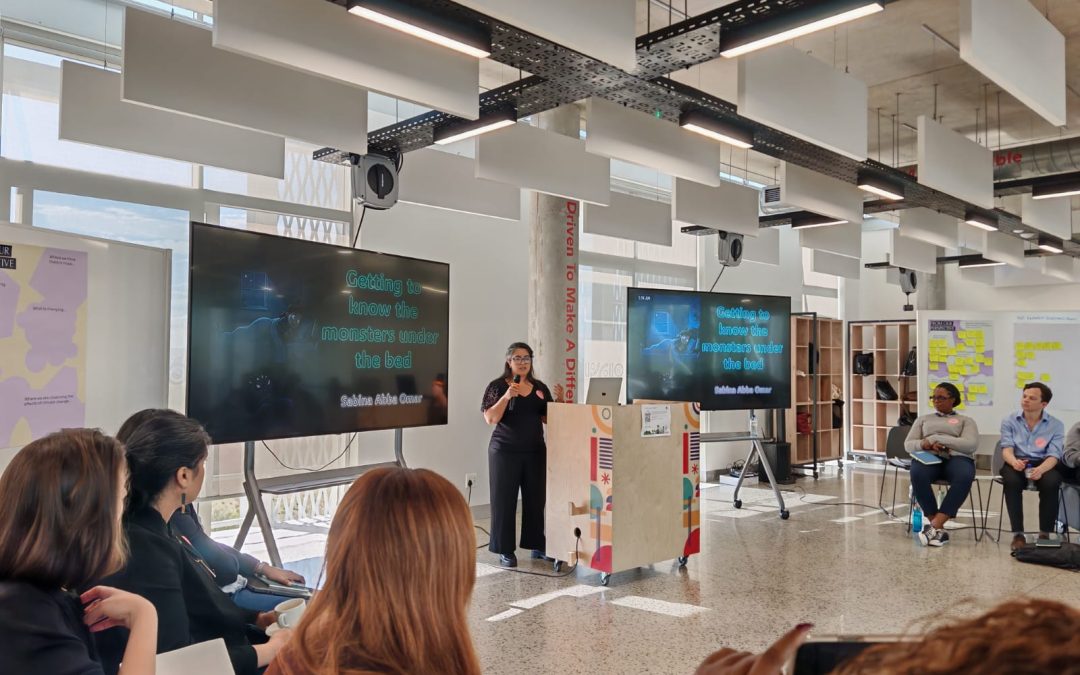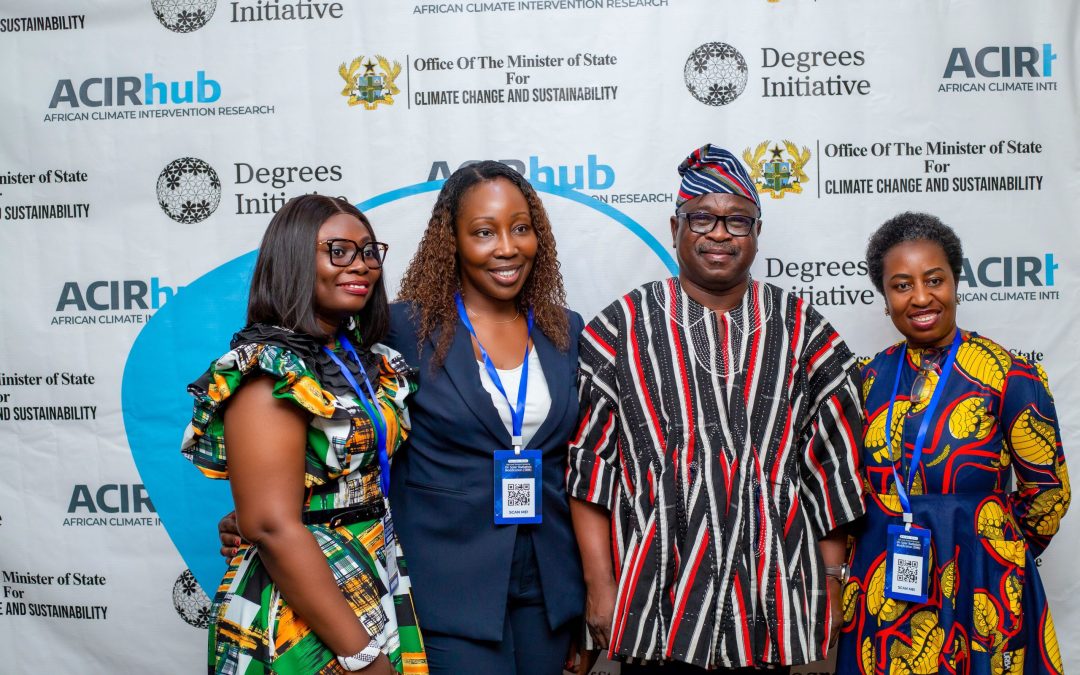
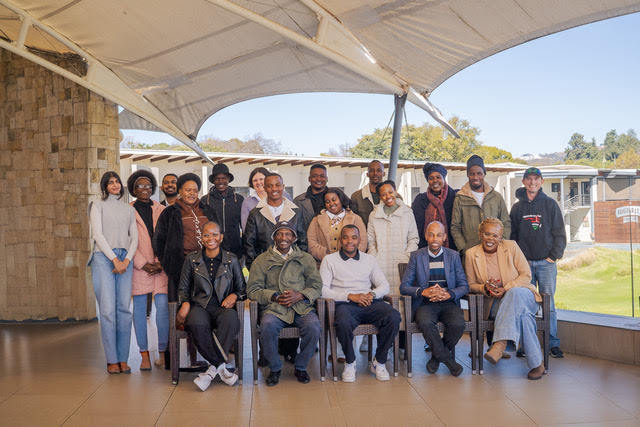
On 5 June 2026, Emerging Climate Frontiers (ECF), in partnership with the Climate System Analysis Group (CSAG) at the University of Cape Town and the African Climate Intervention Research Hub, hosted a capacity-building workshop at the Fairway Hotel in Johannesburg.
The event brought together 20 participants, including early-career researchers, scientists, policymakers, and civil society representatives from influential networks such as Grassroots 4 Climate Action, Earthlife Africa, the African Climate Interventions Research Hub (ACIRH), the African Climate and Development Initiative (ACDI), the University of the Witwatersrand’s Global Change Institute (GCI), the South African Institute of International Affairs, WECGF, CJAG, and Bxderless.
The workshop sought to engage key South African individuals and institutions influential in climate research, advocacy, and policy, strengthening their capacity to participate effectively in emerging Solar Radiation Modification (SRM) dialogues. By bridging these stakeholders, the initiative encourages research that connects localized climate concerns and African development realities directly with global policy frameworks.
SRM describes a proposed set of approaches designed to reflect a small percentage of incoming sunlight in order to temporarily lower global temperatures. It is contested because of the uncertainties surrounding it and because no dedicated framework yet governs who decides whether and how it is used. Though not currently deployed at a climate-relevant scale, SRM technologies are gaining rapid attention within international research and policy frameworks.
The event built on ongoing, African-led advancements, including climate modeling supported by the Degrees Initiative, grassroots civil society engagement, and academic research leadership from ACIRH. One of the most valuable features it surfaced was the direct encounter it created between scientific and grassroots perspectives, a theme that ran through the day’s agenda.
Taylen Reddy of ECF opened the workshop with a welcome address. This was followed by an introductory presentation from ACIRH fellow Trisha Patel, which outlined the science, history, and rising global profile of SRM, alongside the regional vulnerabilities and research gaps that make African engagement critical.
Dr. Chris Lennard of ACIRH then detailed African-led contributions to SRM research and the global governance landscape, noting the absence of a dedicated international framework and highlighting links to the World Climate Research Programme and the Intergovernmental Panel on Climate Change.
Nkosinathi Khambule of Grassroots 4 Climate Action led the following session, addressing civil society concerns, community climate injustices, and the need for justice-centered responses. A roundtable moderated by Taylen Reddy then allowed participants to map SRM issues onto their respective fields. Breakout sessions later in the day examined Africa’s localized risks and opportunities, the ethical and socioeconomic impacts, and potential leadership roles in global governance.
The workshop closed with a collective reflection on strategic next steps. These included establishing a sustained South African SRM dialogue platform, developing an accessible public-engagement strategy, advancing an African-led research agenda, articulating preliminary governance principles, and translating the workshop into practical outputs.
The workshop is a step toward strengthening participants’ capacity to navigate emerging climate dialogues and toward encouraging new research initiatives that connect local climate vulnerabilities and African development goals to global policy.
The next phase should protect this open and critical approach while moving from initial awareness toward structured engagement. With deliberate follow-up, South African stakeholders can help ensure that global SRM research and governance debates are not merely extended to Africa, but are meaningfully shaped by African evidence, values, experiences, and justice priorities.
By Wonder & Co